
A building’s exterior is constantly exposed to rain, storms, and environmental debris, all of which can gradually damage its structure if water is not properly controlled. One of the most important yet often underestimated systems responsible for protecting a building is its rainwater drainage network. Without an effective system in place, water can accumulate around the foundation, seep into walls, and weaken structural integrity over time.
This is where proper gutter installation becomes essential. A well-designed and correctly installed gutter system ensures that rainwater is efficiently collected from the roof and directed away from the building. This not only protects the structure but also extends the lifespan of roofing materials, walls, and foundations.This article provides a complete and detailed guide to gutter systems, their importance, installation process, materials, maintenance practices, and long-term benefits for residential and commercial properties.
Understanding the Purpose of a Gutter System
A gutter system is designed to manage rainwater runoff from the roof and safely channel it away from the building. When rain falls on a roof, it naturally flows downward due to gravity. Without a proper drainage system, this water would spill directly off the roof edges, leading to soil erosion, wall staining, and foundation damage.
Gutters collect this water and guide it into downspouts, which then direct it away from the property. This simple yet highly effective system prevents water from pooling around the structure and protects both the exterior and interior of the building.Beyond protection, gutters also help maintain the aesthetic condition of a property by preventing unsightly water stains and damage to exterior surfaces.
Why Proper Water Drainage Matters
Water is one of the most destructive forces for buildings when not properly controlled. Even small amounts of repeated water exposure can lead to serious long-term damage. Foundations may weaken, walls may develop cracks, and moisture may enter indoor spaces causing mold growth.
Poor drainage can also affect landscaping, leading to soil erosion and damage to gardens or paved areas around the property. In extreme cases, water accumulation near the foundation can result in structural instability.An efficient drainage system ensures that water is quickly moved away from vulnerable areas, reducing the risk of long-term damage and costly repairs.
Common Problems Caused by Poor or Missing Gutters
When a building lacks a proper gutter system or has poorly maintained gutters, several issues can arise. One of the most common problems is foundation damage. Water that falls directly from the roof can collect around the base of the building, weakening the foundation over time.Another frequent issue is roof edge deterioration. Continuous exposure to water runoff can damage roofing materials and shorten their lifespan.
Exterior walls may also suffer from staining, peeling paint, and moisture penetration. Over time, this can lead to mold growth inside the building, which affects both structural health and indoor air quality.Basement flooding is another serious concern, especially in areas with heavy rainfall. Without proper drainage, water can easily seep into underground spaces.
Materials Used in Modern Gutter Systems
Gutters are available in a variety of materials, each offering different levels of durability, cost, and maintenance requirements.Aluminum is one of the most commonly used materials due to its lightweight nature, resistance to rust, and affordability. It is suitable for most residential properties.
Vinyl gutters are another popular option. They are easy to install and resistant to corrosion, but may become brittle over time in extreme weather conditions.Steel gutters offer high strength and durability, making them ideal for areas with heavy rainfall or snow. However, they may require protective coatings to prevent rust.
Copper gutters are considered a premium option. They are extremely durable and develop a natural patina over time, which adds aesthetic value to the property.Each material has its own advantages, and the choice depends on budget, climate, and long-term maintenance preferences.
The Gutter Installation Process Explained
Proper installation is critical for ensuring that a gutter system performs effectively. The process begins with a detailed inspection of the roofline to determine the correct placement and slope.
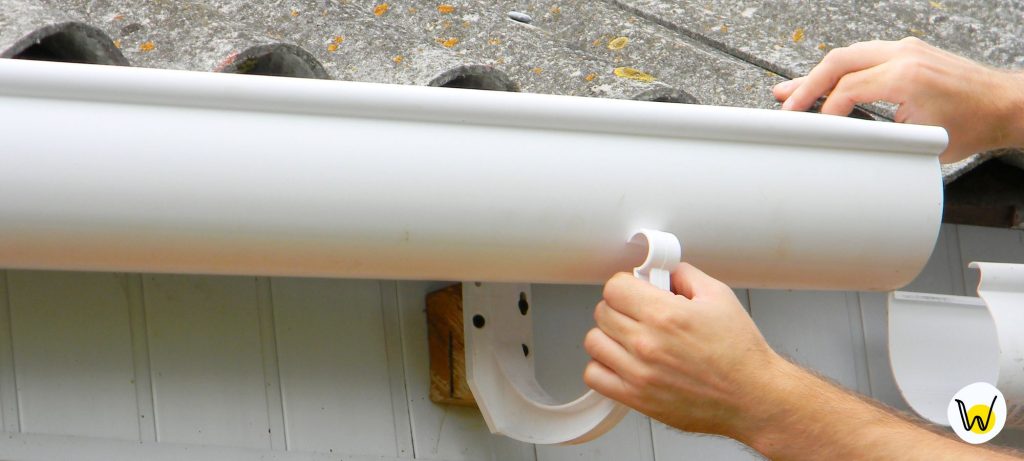
Accurate measurement is essential to ensure that water flows smoothly toward the downspouts. Even a slight misalignment can cause water pooling and overflow.Once measurements are complete, brackets are installed along the roof edge to support the gutter channels. These brackets must be securely fastened to withstand weather conditions and water weight.
The gutter sections are then attached and carefully aligned to maintain a consistent slope. This ensures efficient water flow without stagnation.Downspouts are installed at strategic points to direct water away from the foundation. Extensions may also be added to further improve drainage efficiency.Finally, the system is tested to ensure proper water flow and sealing.
Importance of Professional Installation
While gutter systems may appear simple, proper installation requires technical knowledge and precision. Incorrect slope alignment, poor fastening, or improper placement can lead to serious drainage issues.
A professional installer ensures that the system is designed according to the building’s structure and local weather conditions. They also ensure that materials are securely fitted and capable of handling heavy rainfall.Professional expertise reduces the risk of leaks, sagging, and overflow issues, ensuring long-term performance and reliability.
Maintenance Requirements for Gutter Systems
Even the best-installed gutter system requires regular maintenance to function effectively. Leaves, dirt, and debris can accumulate over time, blocking water flow.Routine cleaning is necessary to prevent clogs and overflow. Gutters should be inspected at least twice a year, especially before and after rainy seasons.
Checking for leaks, rust, or loose brackets helps identify small issues before they become major problems.Ensuring that downspouts remain clear is also important for maintaining proper drainage efficiency.
Signs That Indicate Gutter Problems
There are several warning signs that suggest a gutter system is not functioning properly. Water overflowing during rainfall is one of the most obvious indicators of blockage.Sagging or detached gutters may indicate structural weakness or excessive weight from debris buildup.
Visible stains on exterior walls or pooling water around the foundation are also signs of drainage failure.If plants or moss begin growing inside the gutters, it is a clear indication that maintenance is overdue.
Benefits of a Well-Installed Gutter System
A properly designed and maintained gutter system offers numerous long-term benefits. One of the most important advantages is foundation protection. By directing water away from the building, it prevents structural weakening and soil erosion.
It also protects roofing materials by reducing water exposure along roof edges. This extends the lifespan of the roof and reduces repair costs.
Improved exterior appearance is another benefit, as gutters prevent water stains and damage to walls.Additionally, proper drainage helps maintain landscaping by preventing soil displacement and water pooling.
Cost Factors and Long-Term Value
The cost of a gutter system depends on material type, building size, and installation complexity. While premium materials may have higher initial costs, they often provide better durability and lower maintenance expenses.
Investing in high-quality materials and professional installation reduces the need for frequent repairs and replacements.Over time, a properly functioning system saves money by preventing expensive structural damage caused by water exposure.
DIY vs Professional Installation
Although some homeowners may attempt DIY installation, gutter systems require precision to function correctly. Incorrect slope or poor sealing can lead to water damage and system failure.
Professional installers have the experience and tools needed to ensure proper alignment and secure fitting. They also understand how to design systems that handle specific weather conditions.In most cases, professional installation provides better long-term performance and reliability compared to DIY methods.
Long-Term Protection Strategies
Maintaining an effective drainage system requires a combination of proper installation and regular upkeep. Periodic inspections, timely cleaning, and minor repairs help ensure long-term efficiency.
Installing protective covers or screens can also reduce debris buildup and minimize maintenance requirements.Combining roof care with drainage maintenance creates a complete protection system for the entire structure.
Conclusion
A properly functioning gutter system is essential for protecting any building from water-related damage. It ensures that rainwater is safely directed away from the structure, preventing foundation issues, roof damage, and exterior deterioration.Proper planning, quality materials, and professional gutter installation are key to achieving long-term performance and reliability. With regular maintenance and preventive care, a well-designed system can last for many years while protecting the property from costly repairs.Investing in a strong drainage solution is not just about convenience it is about ensuring the long-term safety, durability, and value of the entire building.

