
Outdoor environments have become an essential extension of modern living spaces, where functionality and visual appeal must work together to create a balanced and enjoyable experience. Whether it is a residential driveway, a backyard pathway, a garden sitting area, or a commercial entrance, the quality of the surface design plays a major role in shaping both usability and aesthetics. People today are no longer satisfied with plain, cracked concrete or uneven ground surfaces that deteriorate over time. Instead, they are increasingly investing in structured, visually appealing, and long-lasting outdoor solutions that enhance property value while offering everyday convenience.
One of the most widely chosen methods for achieving these goals involves professional paver installation, which has become a preferred option for homeowners and property developers who want both durability and style. Unlike traditional poured concrete surfaces, this method uses individual units that are carefully placed and interlocked to form a stable, flexible, and visually attractive surface. The result is an outdoor area that not only looks refined but also performs exceptionally well under different environmental and usage conditions.
The growing popularity of structured outdoor surfacing is driven by several factors, including design flexibility, long-term strength, ease of maintenance, and repair convenience. As outdoor living continues to gain importance in modern lifestyles, more people are recognizing the value of investing in professionally designed surfaces that can withstand time and usage without losing their appeal.
Understanding the Importance of Strong Outdoor Surface Design
Outdoor surfaces are constantly exposed to pressure, weather changes, moisture, and daily wear. From heavy vehicle movement on driveways to constant foot traffic on walkways, these areas must be designed to handle continuous stress without breaking down. Poorly constructed surfaces often develop cracks, drainage issues, and uneven settling over time, which can lead to costly repairs and safety concerns.
This is why structured design methods have become increasingly important in modern construction. A well-planned surface does not just focus on appearance but also ensures stability, proper drainage, and long-term performance. By using individual interlocking units rather than a single solid slab, the surface becomes more flexible and resistant to damage caused by ground movement or temperature changes.
Another major advantage of modern outdoor surfacing techniques is their ability to support design creativity. Property owners are no longer limited to plain gray surfaces. Instead, they can choose from a wide variety of colors, patterns, textures, and shapes that complement the overall architectural style of their property. This flexibility allows outdoor spaces to become visually cohesive extensions of indoor design themes.
The Step-by-Step Process of Professional Surface Construction
Creating a durable and attractive outdoor surface requires careful planning and precise execution. The process involves multiple stages, each contributing to the strength, appearance, and longevity of the final result. One of the most important steps in this process is paver installation, which requires attention to detail and proper groundwork to ensure stability and performance.
The process typically begins with site preparation, where the area is measured, marked, and excavated to the appropriate depth. This step is crucial because the foundation determines how well the surface will hold up over time. Any weak or uneven base can lead to shifting, sinking, or cracking later on.
After excavation, a strong base layer is created using compacted gravel or crushed stone. This layer provides stability and ensures proper drainage, preventing water from accumulating beneath the surface. Proper compaction is essential at this stage because it helps create a solid foundation capable of supporting heavy loads.
Once the base is prepared, a leveling layer of sand is added to create a smooth surface for placing the individual units. The accuracy of this layer directly affects the final appearance of the surface, as it ensures even alignment and consistent spacing.
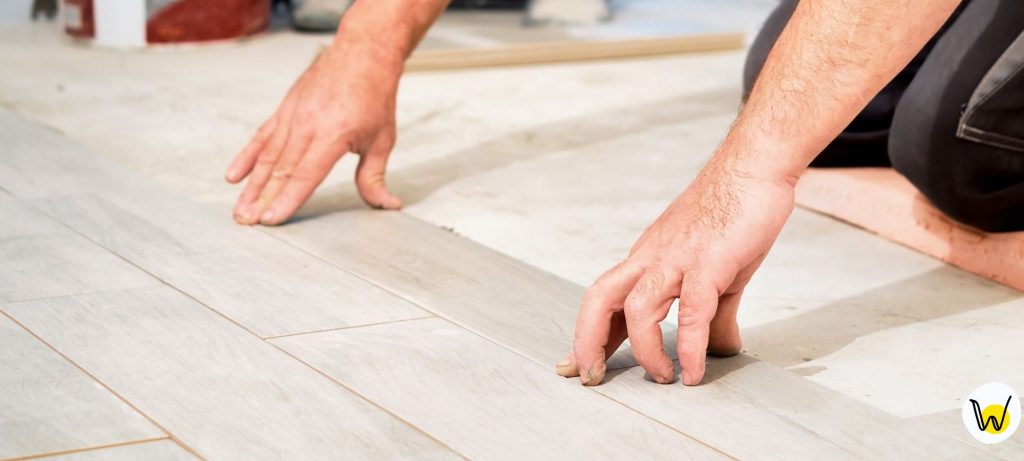
The next stage involves carefully placing each unit in the desired pattern. This is where design choices come into play, as different patterns can create different visual effects. Whether it is a simple linear arrangement or a more complex decorative design, precision is key to achieving a polished look.
After placement, the surface is compacted again to lock the units in place. Joint sand is then spread across the surface to fill gaps and enhance stability. This final step ensures that the entire structure works as a unified system, capable of resisting movement and maintaining its shape over time.
Key Advantages of Structured Outdoor Surface Systems
One of the most significant benefits of modern surface construction methods is their long-term durability. Unlike traditional concrete slabs that may crack under pressure or temperature fluctuations, interlocking systems distribute weight more evenly, reducing stress on any single point. This makes them highly resistant to damage and suitable for both residential and commercial applications.
Another major advantage is ease of maintenance. If a specific section becomes damaged or stained, it can be replaced individually without disturbing the rest of the surface. This makes repairs simple, cost-effective, and visually seamless. Homeowners appreciate this feature because it eliminates the need for complete surface replacement in case of localized damage.
Design flexibility is also a key benefit. With a wide range of materials and styles available, property owners can customize their outdoor spaces according to personal taste. Whether the goal is a modern, minimalist look or a more traditional aesthetic, there are endless design possibilities available.
Proper drainage is another important advantage. The small gaps between units allow water to pass through or be directed away efficiently, reducing the risk of puddles, flooding, or erosion. This makes the surface safer and more functional during rainy conditions.
Additionally, structured surfaces often increase property value. A well-designed outdoor space creates a strong first impression and enhances overall curb appeal. Potential buyers are more likely to be attracted to properties with professionally designed exteriors that require minimal future maintenance.
Long-Term Maintenance and Care Strategies
Although modern outdoor surfaces are designed for durability, regular maintenance is still essential to preserve their appearance and performance. Fortunately, maintenance requirements are relatively simple compared to traditional surface materials.
Routine cleaning is one of the most important tasks. Removing dirt, debris, and organic material helps prevent staining and keeps the surface looking fresh. Occasional washing using water pressure can also help maintain its original appearance without causing damage.
Weed prevention is another important aspect of maintenance. Over time, small gaps between units may allow vegetation to grow. Using proper joint sand during installation and replenishing it when necessary helps reduce weed growth and maintain structural stability.
Sealing the surface is also a common maintenance practice. A quality sealant can enhance color vibrancy, protect against stains, and improve resistance to weather conditions. While not always required, sealing can significantly extend the lifespan of the surface in high-traffic or exposed areas.
One of the most practical advantages of paver installation is the ease of repair. Unlike continuous surfaces where cracks require extensive fixing, individual units can be replaced quickly and efficiently. This reduces long-term maintenance costs and ensures the surface always maintains a consistent appearance.
Common Challenges and Mistakes in Outdoor Construction
Despite the many benefits of structured outdoor surfaces, certain mistakes during planning and installation can reduce their effectiveness. One of the most common issues is improper base preparation. A weak or uneven foundation can lead to shifting, sinking, and surface instability over time.
Another frequent problem is poor drainage design. Without proper water flow management, moisture can accumulate beneath the surface, weakening the base and causing long-term structural issues. Ensuring correct slope and drainage direction is essential for durability.
Incorrect spacing or misalignment during installation can also affect the final appearance. Even small inconsistencies can become noticeable over time, especially in larger areas. Precision during placement is critical for achieving a professional finish.
Using low-quality materials is another mistake that can impact performance. While cheaper options may reduce initial costs, they often result in faster wear and increased maintenance expenses over time. Investing in high-quality materials ensures better long-term results.
Skipping edge restraints is another issue that can compromise stability. Without proper support along the edges, the surface may gradually shift outward, leading to unevenness and reduced structural integrity.
Enhancing Outdoor Living Through Smart Design Choices
Modern outdoor spaces are no longer limited to basic functionality. They are now designed as comfortable, stylish environments where people can relax, entertain, and spend quality time. Thoughtful planning allows these spaces to serve multiple purposes while maintaining visual harmony.
Seating areas, walkways, garden sections, and entertainment zones can all be integrated into a single cohesive design. Lighting plays an important role in enhancing both safety and ambiance, especially during evening hours. Well-placed lights can highlight textures, patterns, and architectural details, creating a warm and inviting atmosphere.
Water features, fire elements, and decorative structures further enhance the outdoor experience by adding movement, warmth, and visual interest. When combined with durable surface design, these elements create balanced and functional environments suitable for year-round use.
The growing demand for structured outdoor environments reflects a shift in lifestyle preferences. People now value outdoor comfort as much as indoor luxury, leading to increased investment in professional design solutions that combine aesthetics with practicality.
Conclusion: Building Outdoor Spaces That Last
When properly executed, paver installation transforms ordinary outdoor spaces into well-designed, practical, and visually impressive environments. It provides a reliable foundation for everyday use while also enhancing property value and overall appeal. By focusing on quality, precision, and thoughtful design, property owners can create outdoor spaces that remain beautiful and functional for decades to come.
Creating a durable and visually appealing outdoor environment requires careful planning, quality materials, and professional execution. From the initial groundwork to the final finishing touches, every stage plays a crucial role in determining the long-term success of the project.
The use of modern surface construction techniques ensures that outdoor areas remain strong, functional, and attractive for many years. With benefits such as design flexibility, easy maintenance, and long-lasting durability, structured systems continue to be a preferred choice for both residential and commercial properties.

